Mold & moisture assessment
From $495Up to 3 standard air samples, moisture observations, laboratory analysis and written findings.

Denver & Colorado / Environmental consulting
Mold, moisture, odors, or questions after remediation? IESC helps Colorado property owners turn building concerns into documented findings and a defined next step.
Discuss your property Find your starting point →
Professional services. Clearly priced.
Up to 3 standard air samples, moisture observations, laboratory analysis and written findings.
Up to 2 standard air samples, visual/moisture review and a written conclusion against agreed criteria.
Project-specific work direction and verification criteria, additional to the assessment.
Base packages cover up to 1,500 sq ft of residential assessed area. Larger areas, additional samples and specialty work have defined rates or a custom proposal.
Perspective for every property.
Start with your concern
Choose the situation closest to yours. Explore the relevant service and see what to gather for your first conversation.
A useful first step
Different concerns call for different work. Start with what you have observed and what you need to decide.
Gather the property city, approximate area, relevant history and a list of any existing reports.
01 / Our services
Environmental insight that turns questions about a building into a practical plan for what comes next.
A closer look at your property, informed by its history, your concerns and accessible conditions.
Document visible concerns and moisture conditions to help define the issue and the next step.
Use an agreed sampling plan to answer a specific environmental question.
Translate supported findings into written direction for the owner and remediation team.
Review conditions after remediation against the established project criteria.
Bring reports, photographs and project records into a clearer technical picture.
Understanding the built environment
A material, a moisture observation and a project history each contribute different information. These reference photographs illustrate the kinds of conditions an investigation may need to document.
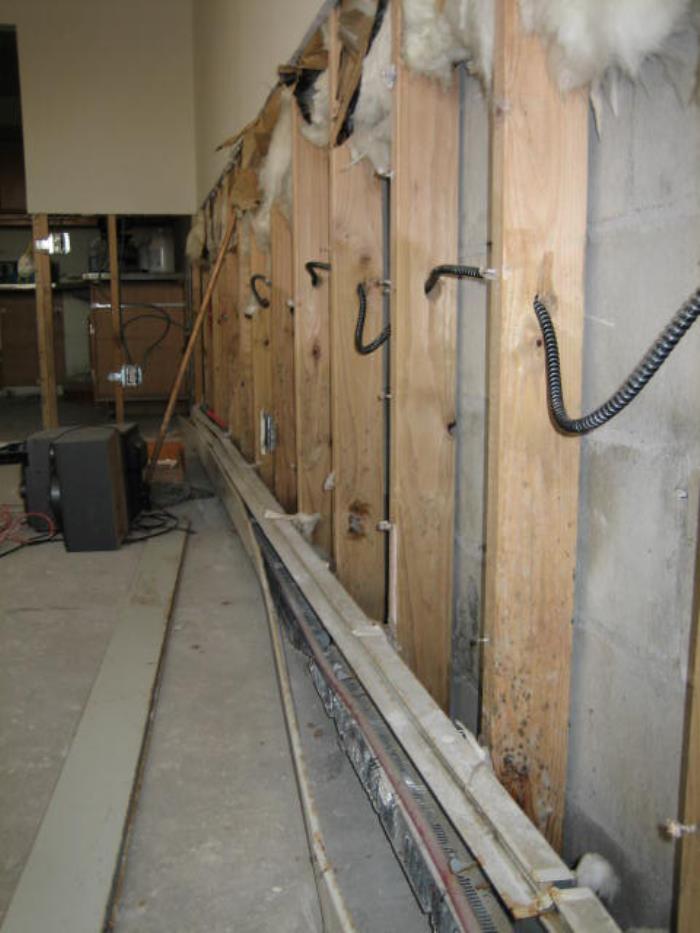
Exposed framing can make material conditions visible. The history, accessible area and scope determine what can be assessed.
Historical reference photo, not an IESC project. CDC / Ginger Chew, ScD · PHIL 20859.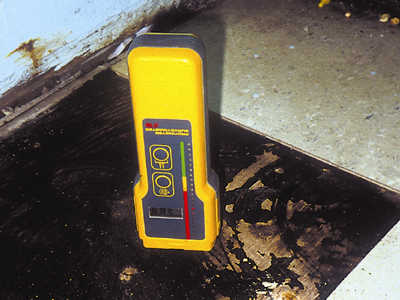
Field measurements help document a particular material and location. They are considered with the property history and other observations.
Educational reference photograph from the EPA Mold Image Library; not an IESC project.CDC photographs are available free through the CDC Public Health Image Library. Use of these reference images does not imply endorsement of IESC by CDC, EPA or the U.S. Government.
A closer look
Review visible conditions, water history, sampling needs and practical next steps with Charlie Jones.
Scope & next steps →02 / Explore the serviceIESC prepares project-specific environmental findings and remediation protocols in Colorado, connecting assessment evidence with scope and verification criteria.
Scope & next steps →03 / Explore the serviceIESC post-remediation verification in Colorado reviews accessible work areas, completion records and specified samples against established project criteria.
Scope & next steps →Plan your next step
See package prices, included laboratory samples and written findings. Build a planning estimate before requesting a scope.
Explore the guide →Indoor air & odorsOrganize the building history and observations that help define the investigation.
Explore the guide →02 / Our approach
Every property has a story. We start by listening, document what we find, and help you understand the next step.
Discuss your concerns and review the property. Define an appropriate assessment and sampling scope.
A focused investigationBring observations and available results together in clear documentation with practical recommendations.
An informed planWhen remediation is part of the project, evaluate the completed work against the agreed verification criteria.
A documented outcome03 / About IESC
Colorado · Residential & commercial environments
Indoor Environmental Solutions & Consultants, LLC brings a practical understanding of buildings to the questions that arise inside them.
Our work connects environmental assessment with the realities of construction and restoration. We help property owners, managers, and project teams understand findings, define remediation needs, and document the conditions that follow.
Environmental consulting · Construction and restoration experience
Charlie brings more than 20 years of construction and restoration leadership to environmental consulting. That background helps connect field observations with the decisions owners and project teams face.
Meet Charlie and explore the IESC approach →A useful starting point
Gather a few essentials to help define the right scope for your property assessment.
Location, building use, and the areas of concern.
When you first noticed the issue, prior water events, and any work already completed.
Photos, previous reports, and your project timeline.
LET’S DISCUSS YOUR PROPERTY
Tell Charlie the property location, areas of concern, relevant water history, and your desired timing. Scope, service qualifications, fees, and availability are confirmed before an appointment.
Denver, Colorado · Colorado project inquiries
Request a consultation ↗Have an invoice? Payment information →407-952-9269jonescharlie15@gmail.comPlease send a brief description first. Arrange a secure transfer for confidential reports, access codes, or other sensitive records.
Assessment, sampling, protocol preparation, and post-remediation verification are separately defined in the written engagement. Reports describe observed conditions and agreed criteria; they do not guarantee a mold-free property or determine individual health risk. Repair work and specialty services require separate arrangements.